AI Agent Orchestrator: Why This May Become One of the Most In-Demand Roles of 2026
84% of executives expect to deploy AI agents within the next 18 months, but only 23% say they know how to do it effectively. That gap matters. It suggests the main challenge is no longer access to AI tools. The real challenge is operational: how do you organize people and agents so they work together in a controlled, measurable, and useful way?
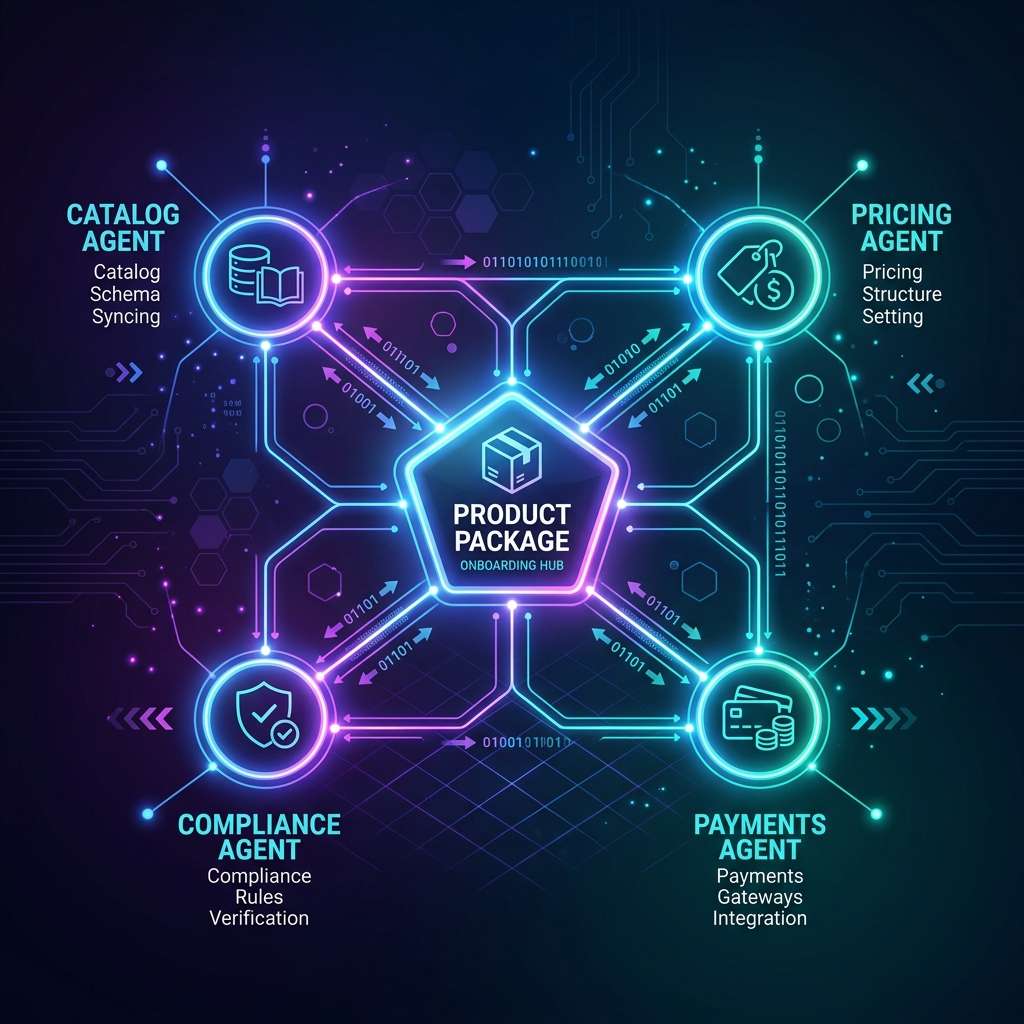
That is where the AI Agent Orchestrator role comes in. What sounds like a future-facing job title is quickly becoming a practical answer to a very current problem: companies are moving from isolated AI experiments to systems made of multiple agents, workflows, and human handoffs.
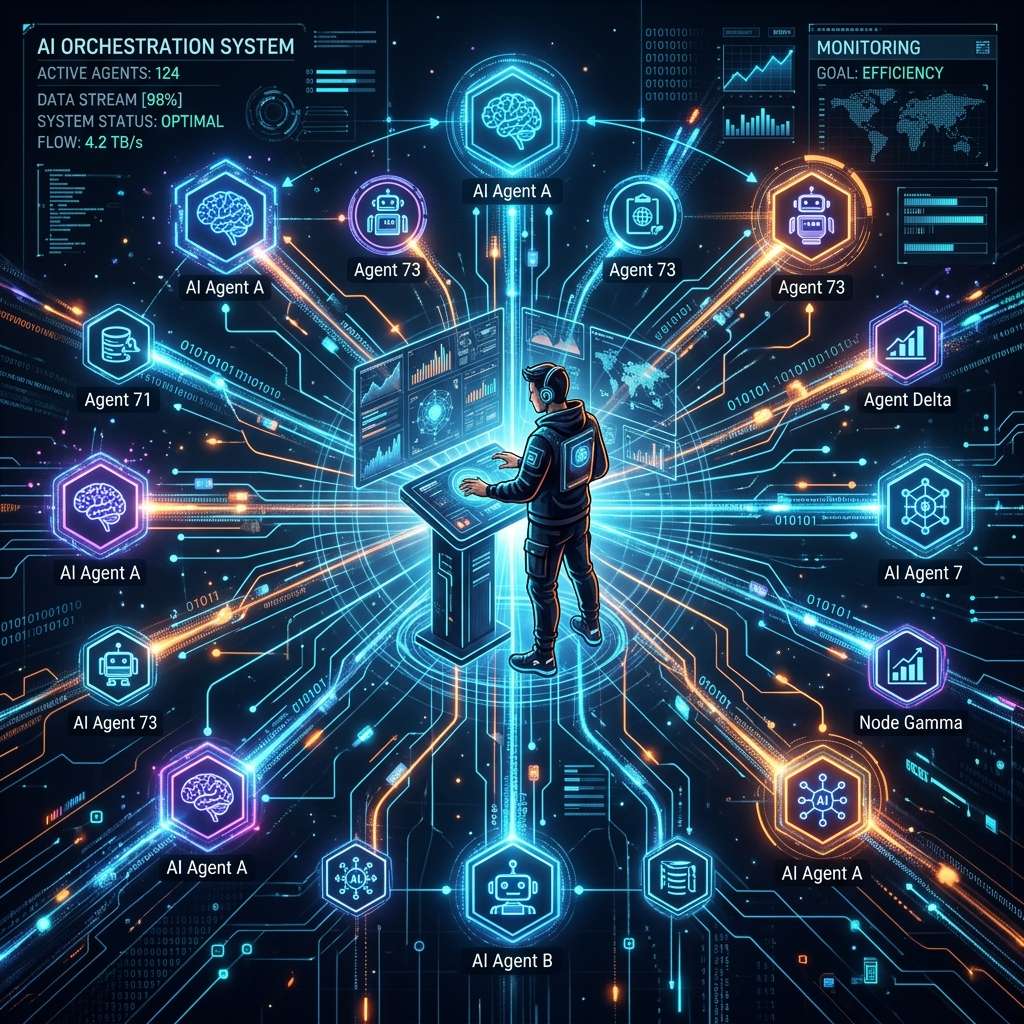
What does an AI Agent Orchestrator actually do?
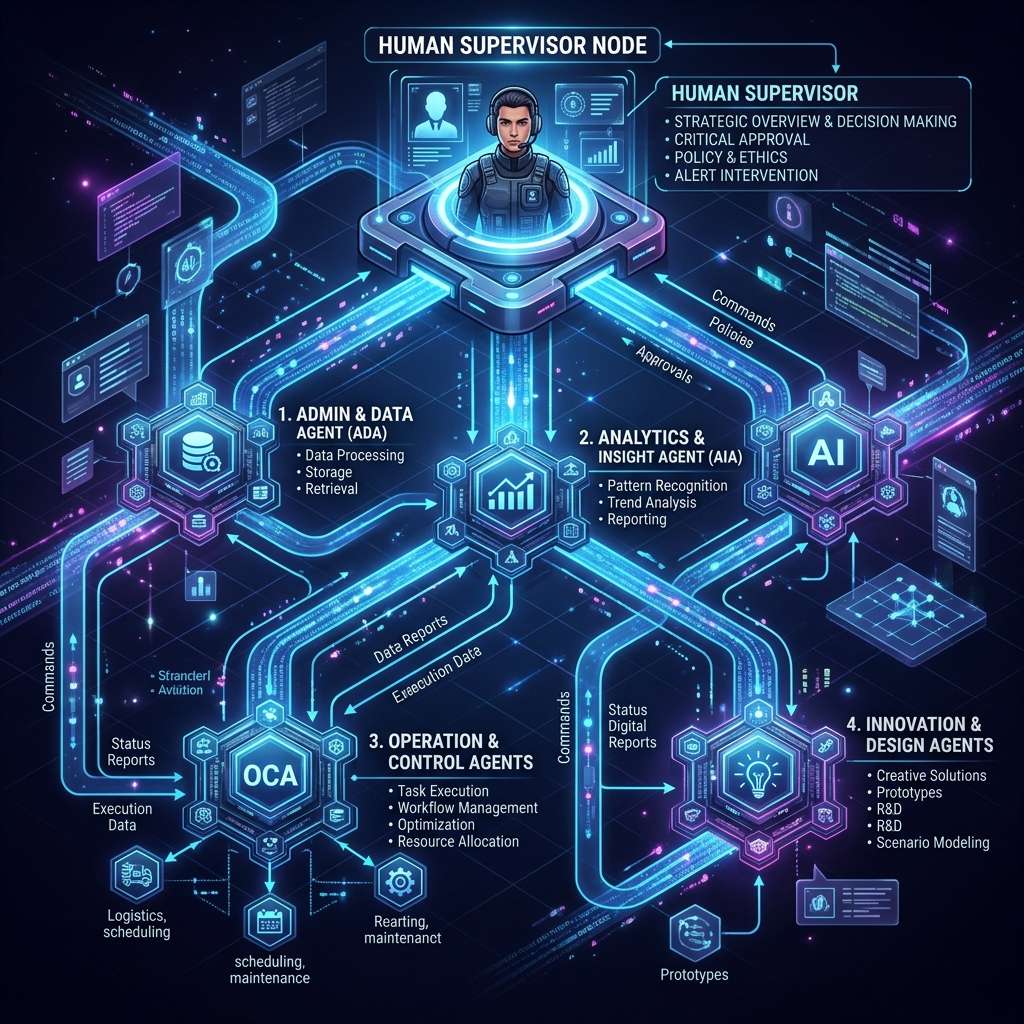
In simple terms, an AI Agent Orchestrator manages the environment in which several AI agents and human team members work together. This is not just an admin role, and it is not just someone writing prompts. It is someone who designs and supervises the operating logic of the system.
In practice, that means:
- deciding which tasks should be handled by agents and which should stay with people,
- defining priorities and dependencies,
- monitoring output quality,
- managing information flow between agents,
- handling exceptions and conflicts,
- ensuring compliance, security, and governance standards are respected.
The role sits at the intersection of operations, technology, product thinking, and change management. Knowing the tools is not enough. The orchestrator also needs to understand business processes and translate them into a functioning workflow.
Why is this role emerging now?
The shift from single AI use cases to multi-agent environments is driving demand. At first, companies experiment with chatbots, assistants, and point automations. That is a useful start, but it quickly exposes a limit: one model or one agent is rarely enough to solve an end-to-end process.
If a task requires analysis, a decision, a handoff to another team, validation, and then another step, someone needs to design the flow. Without that, organizations end up with disconnected tools that do not work together in a predictable way.
That is why the role of AI Agent Orchestrator is gaining traction. The issue is not hype. It is scale. The more agents a company deploys, the more it needs someone who can manage them as a system rather than as isolated experiments.
What skills does the role require?
An AI Agent Orchestrator does not have to come from a classic machine learning background. In many cases, cross-functional capabilities matter more than deep technical specialization.
The most important skills usually include:
1. Process thinking
You need to break workflows into steps, dependencies, and decision points. Without that, it is difficult to design meaningful collaboration between humans and agents.
2. Understanding AI limitations
An agent may speed things up, but it is not infallible. The orchestrator should know where validation is needed and where automation should be applied carefully.
3. Stakeholder management
This role often involves negotiating priorities across business, IT, security, compliance, and operations.
4. Analytics and observability
You cannot manage agents without metrics. You need to measure quality, success rates, error levels, turnaround time, and cost.
5. Communication
An orchestrator must explain complex dependencies in simple terms. That matters because AI inside organizations creates both excitement and anxiety.
Why is this more than “someone who works with AI”?
Many companies make the same mistake: they buy a tool, let teams experiment, and expect results to appear automatically. In practice, that usually leads to disappointment. Without coordination, AI creates fragmentation:
- different teams use different models,
- no one owns quality control,
- automations overlap or block each other,
- responsibility for outcomes becomes unclear,
- trust in the system drops.
The AI Agent Orchestrator role solves exactly this problem. It creates the framework, sets the rules, and makes sure automation actually strengthens the organization instead of adding more noise.
Who is best suited for this role?
The good news is that this role does not need to be built from zero. In many companies, the best candidates will come from areas such as:
- operations,
- product management,
- business analysis,
- program management,
- process excellence,
- digital transformation,
- solution architecture and automation.
The common denominator is the ability to connect technology with real business processes.
How should organizations prepare?
If a company wants to use AI agents at scale, it should start with a few practical steps:
- Identify the processes that are truly suitable for multi-agent automation.
- Assign ownership for orchestration, not just for individual tools.
- Define escalation paths and quality control rules.
- Build metrics for agent performance.
- Keep humans in the loop where judgment, accountability, or customer relationships matter.
This is not a one-off project. It is a new way of organizing work.
A new job title or a new internal capability?
You can look at AI Agent Orchestrator as a new profession. You can also treat it as an extension of existing roles. In practice, what matters most is that companies now need people who can manage human-AI collaboration in a structured, safe, and scalable way.
That capability will only become more valuable over the next few years. Not because AI is fashionable, but because without orchestration, even the best tools fail to create consistent business value.
Sources
Comments
Comments are powered by Cusdis. The widget only loads after you click.