Agentic RAG in E-commerce: When a Simple Chatbot Isn't Enough
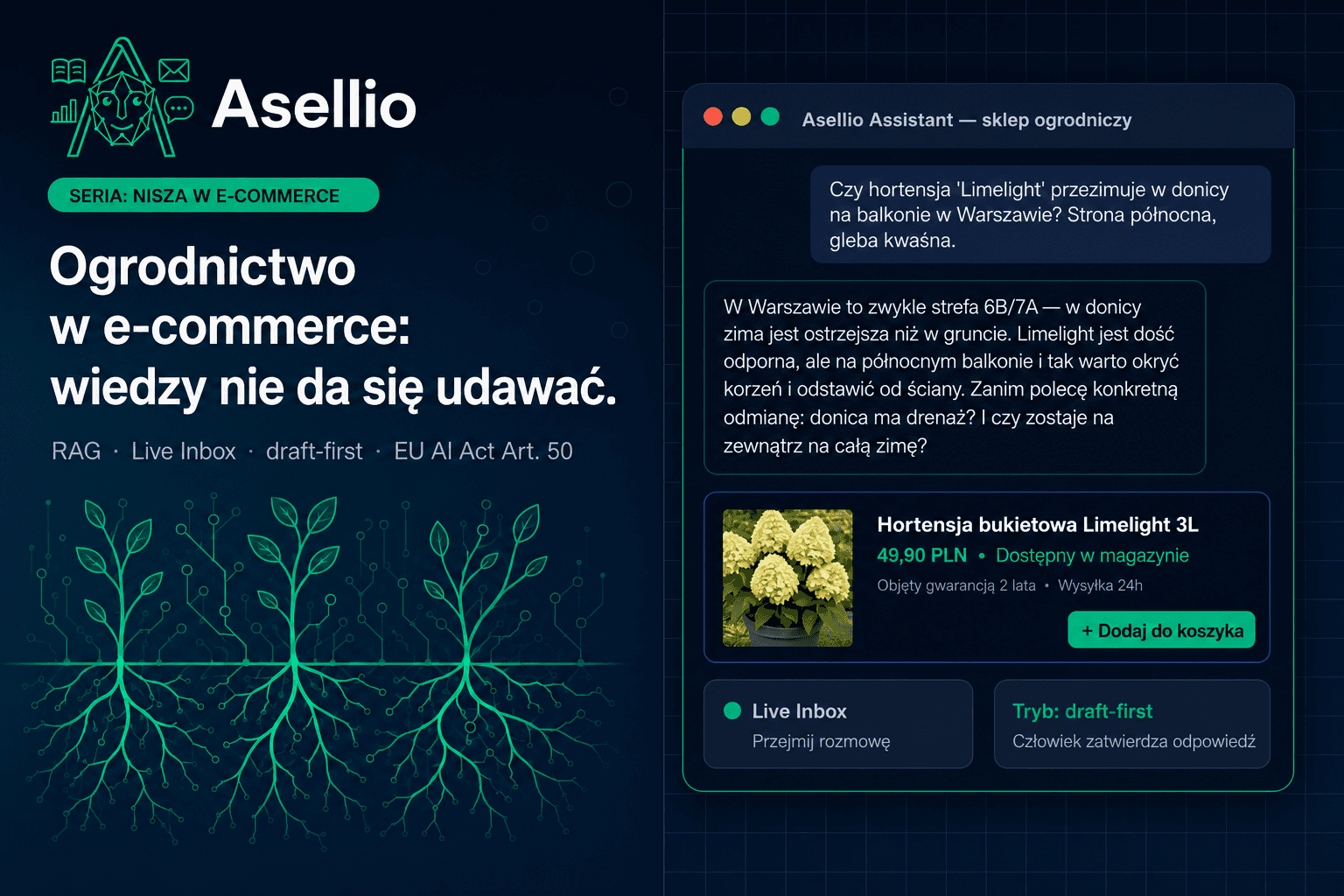
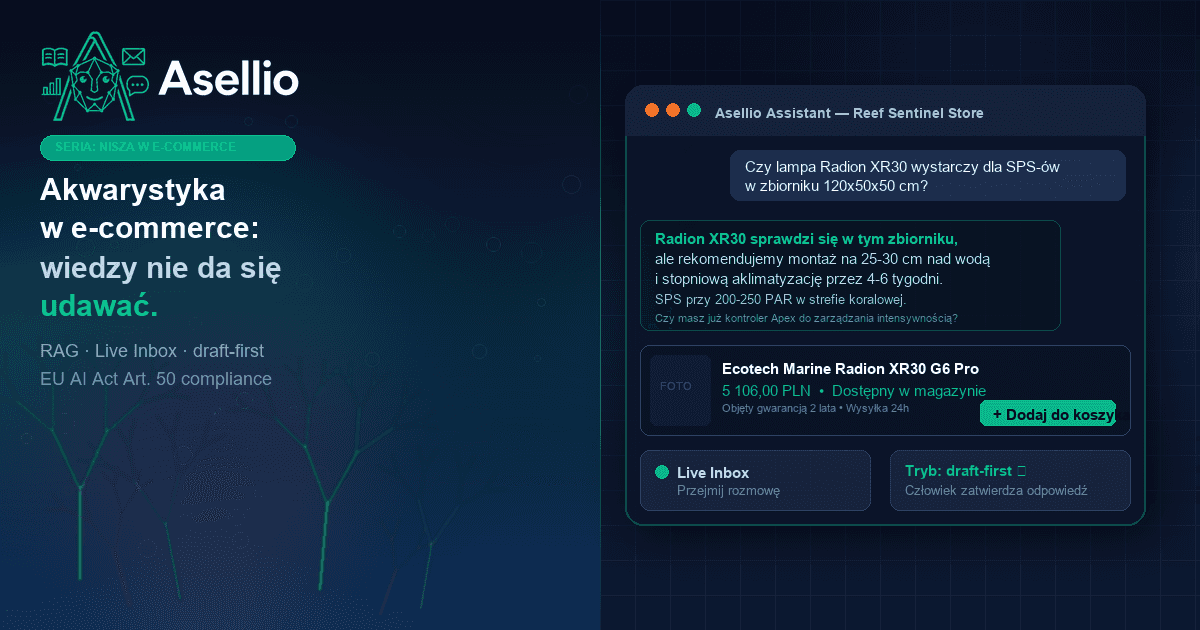
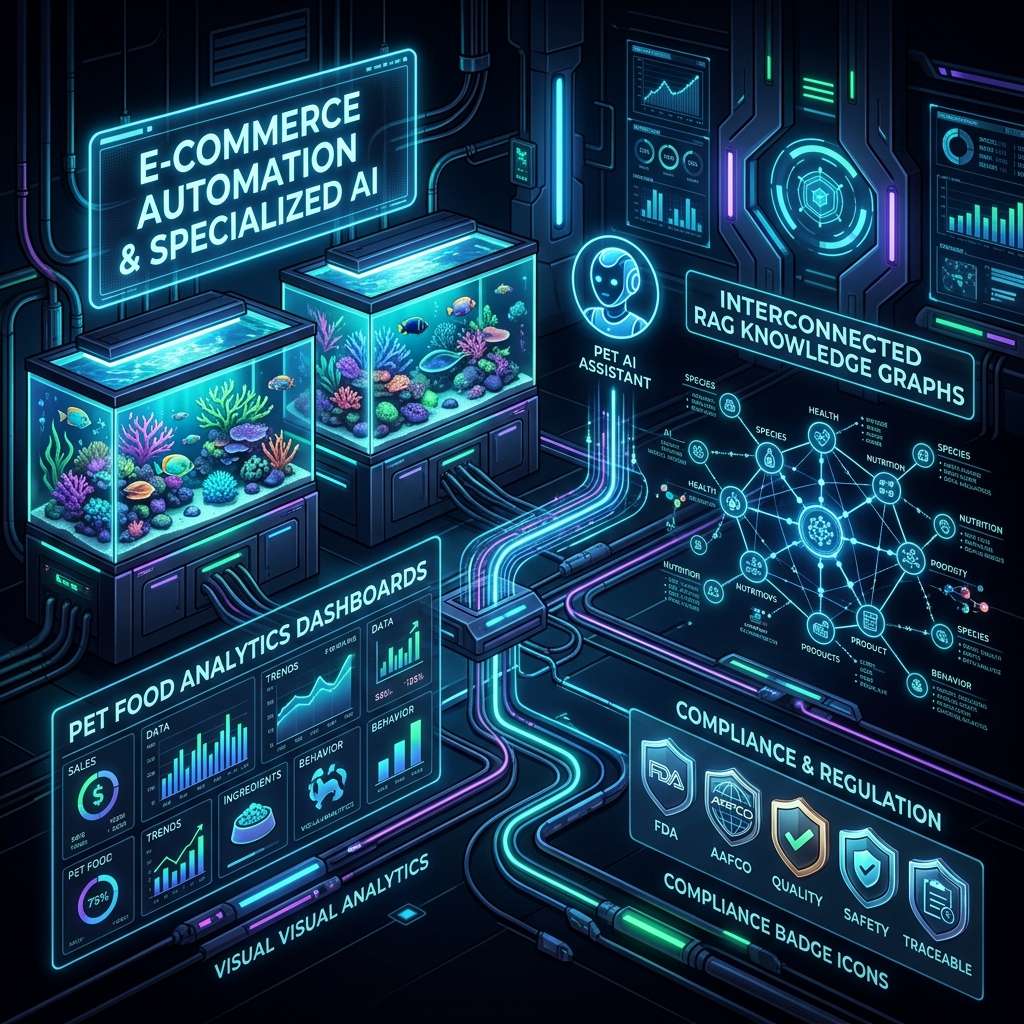
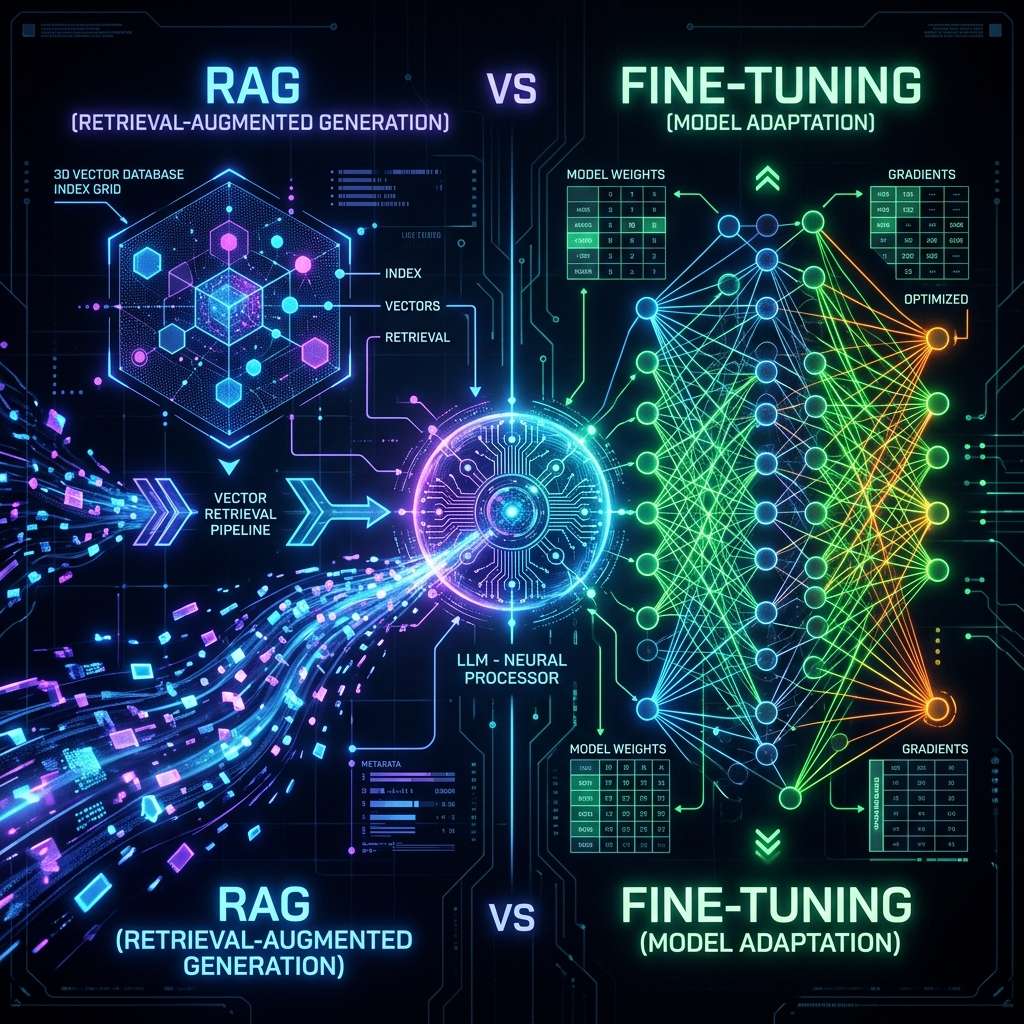
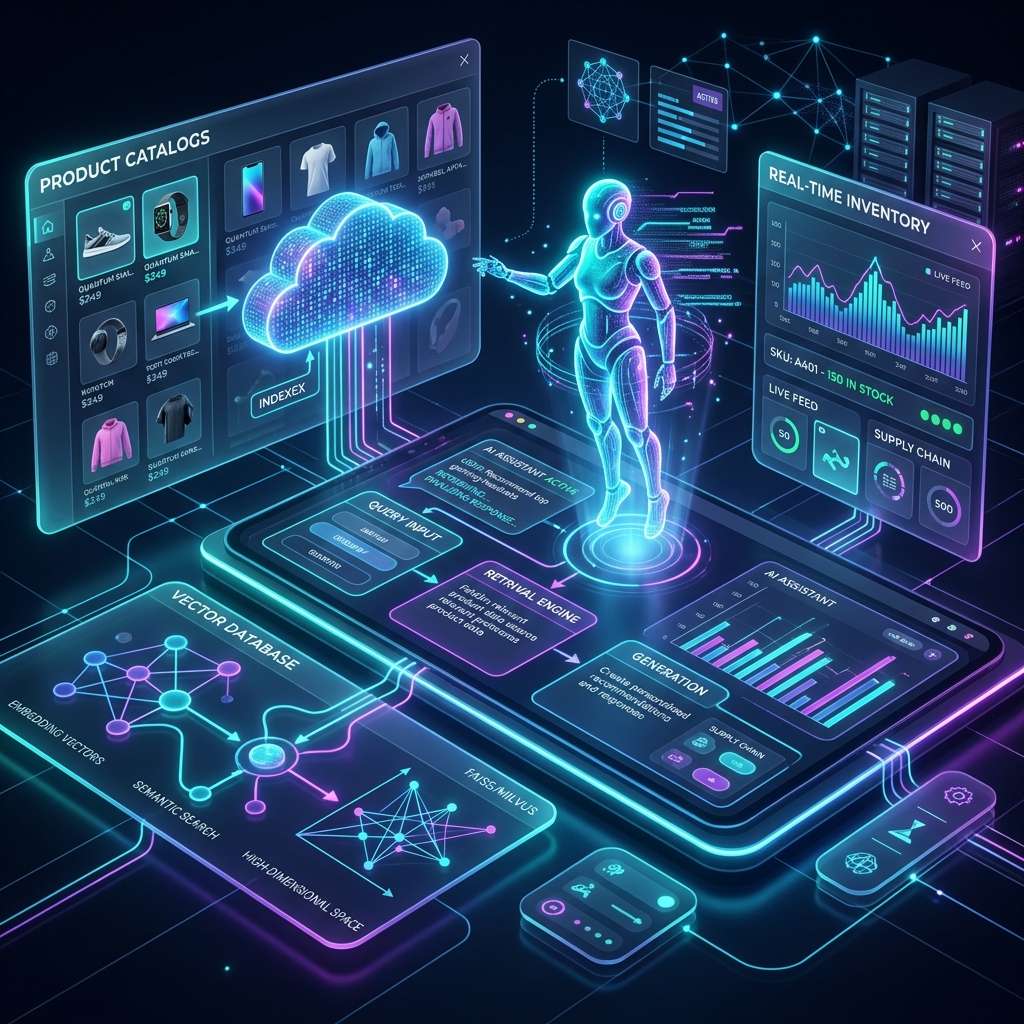
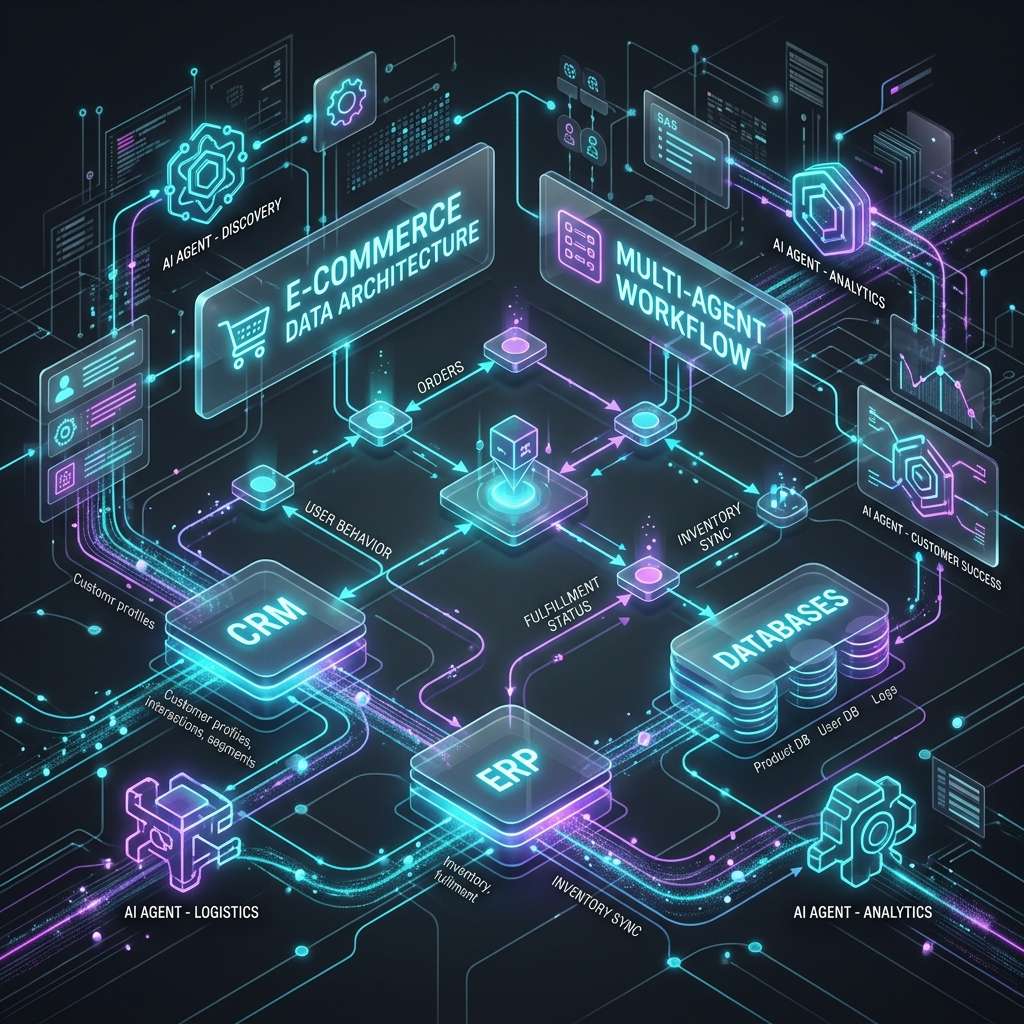
Retrieval-Augmented Generation (RAG) is transforming e-commerce, but simple linear search is no longer enough for complex expert niches. We need Agentic RAG and Multi-Agent systems.
Insights on digital transformation, technology, and business automation.

Retrieval-Augmented Generation (RAG) is transforming e-commerce, but simple linear search is no longer enough for complex expert niches. We need Agentic RAG and Multi-Agent systems.

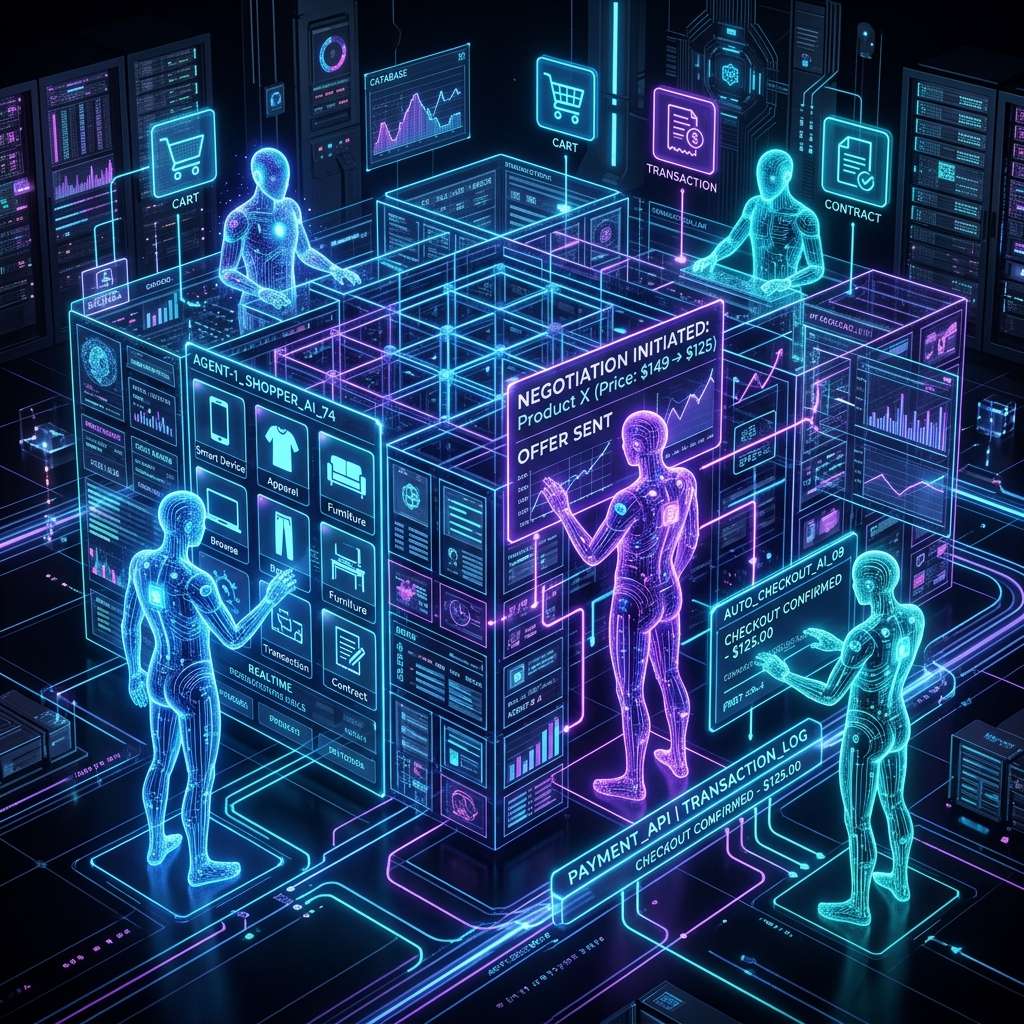
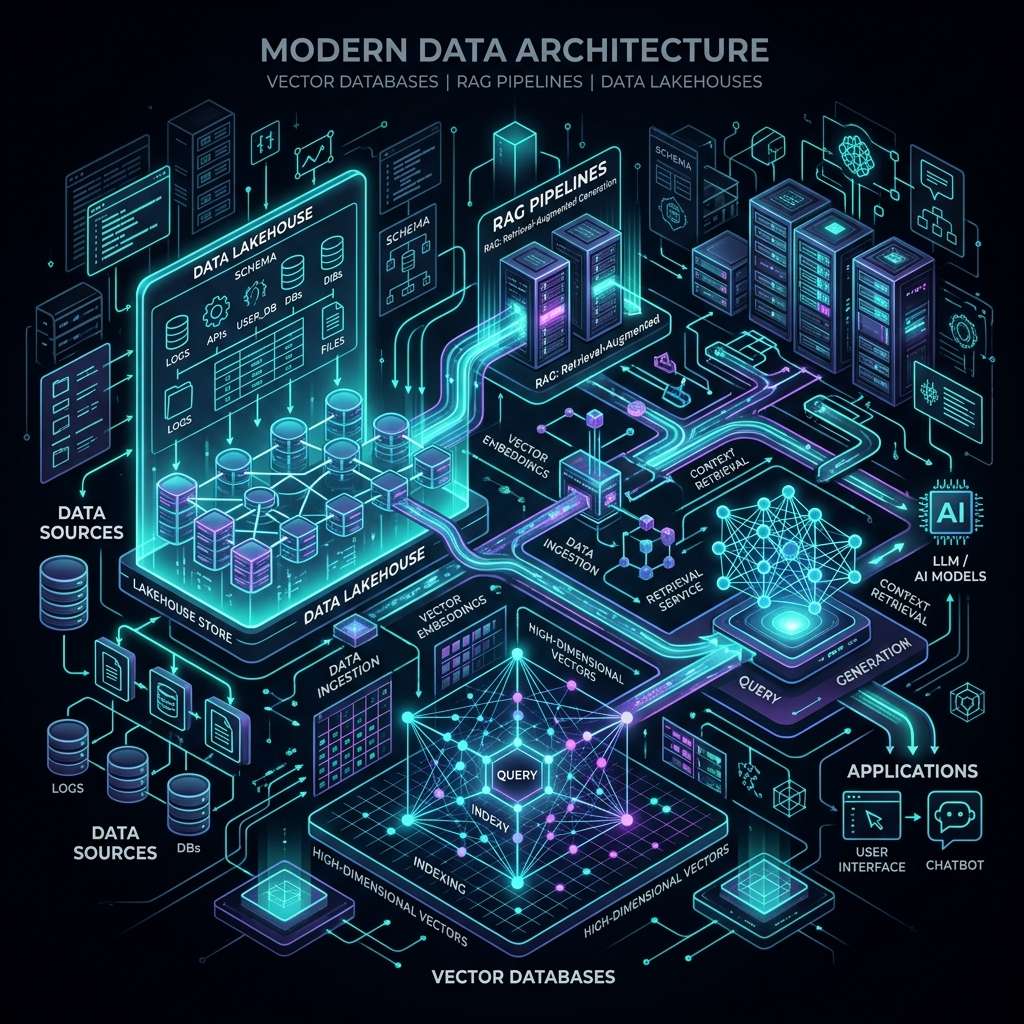
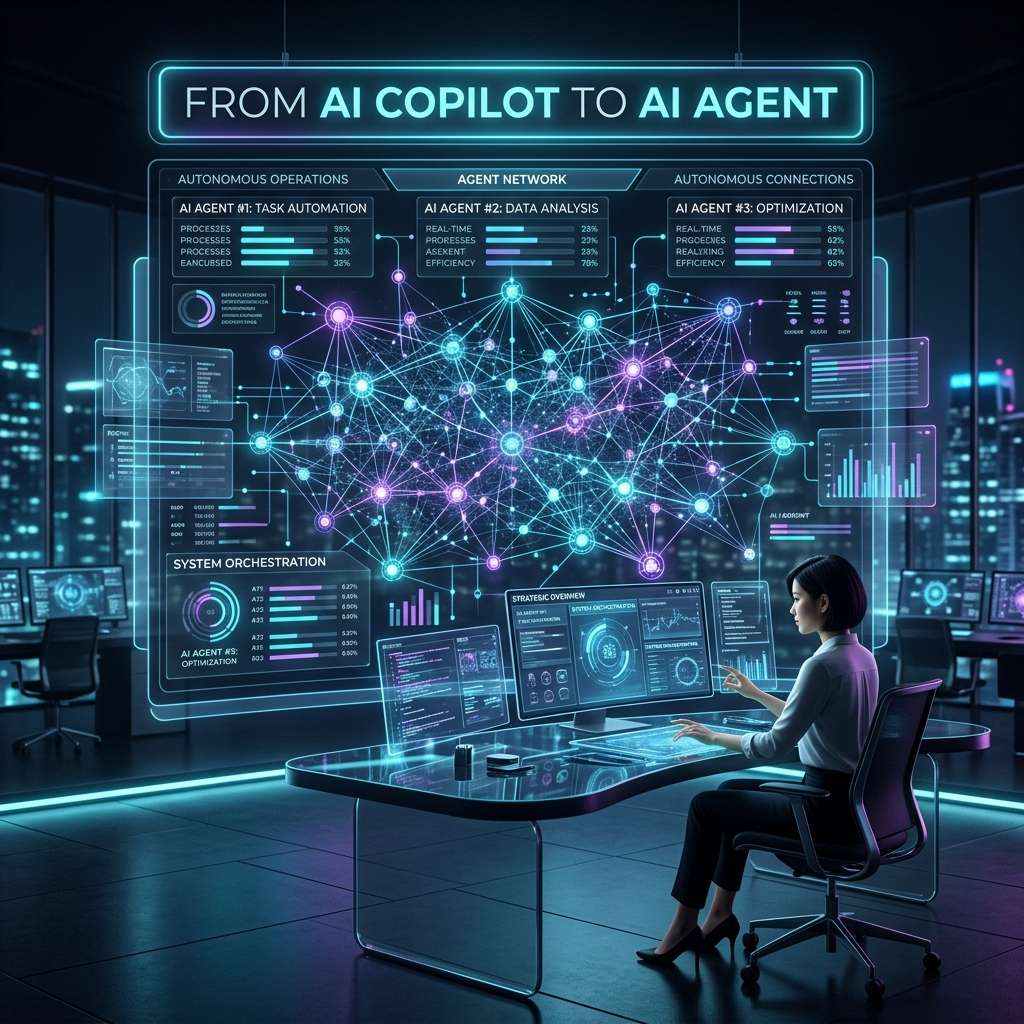
We are observing a structural shift in enterprise software: transitioning from AI copilots to fully autonomous Multi-Agent Systems, redefining SaaS business models and data architectures.

We have officially entered a phase where artificial intelligence is no longer just a novelty tool. The transition from micro-automation to full-fledged agentic workflows brings an unexpected challenge: the Joy Paradox.

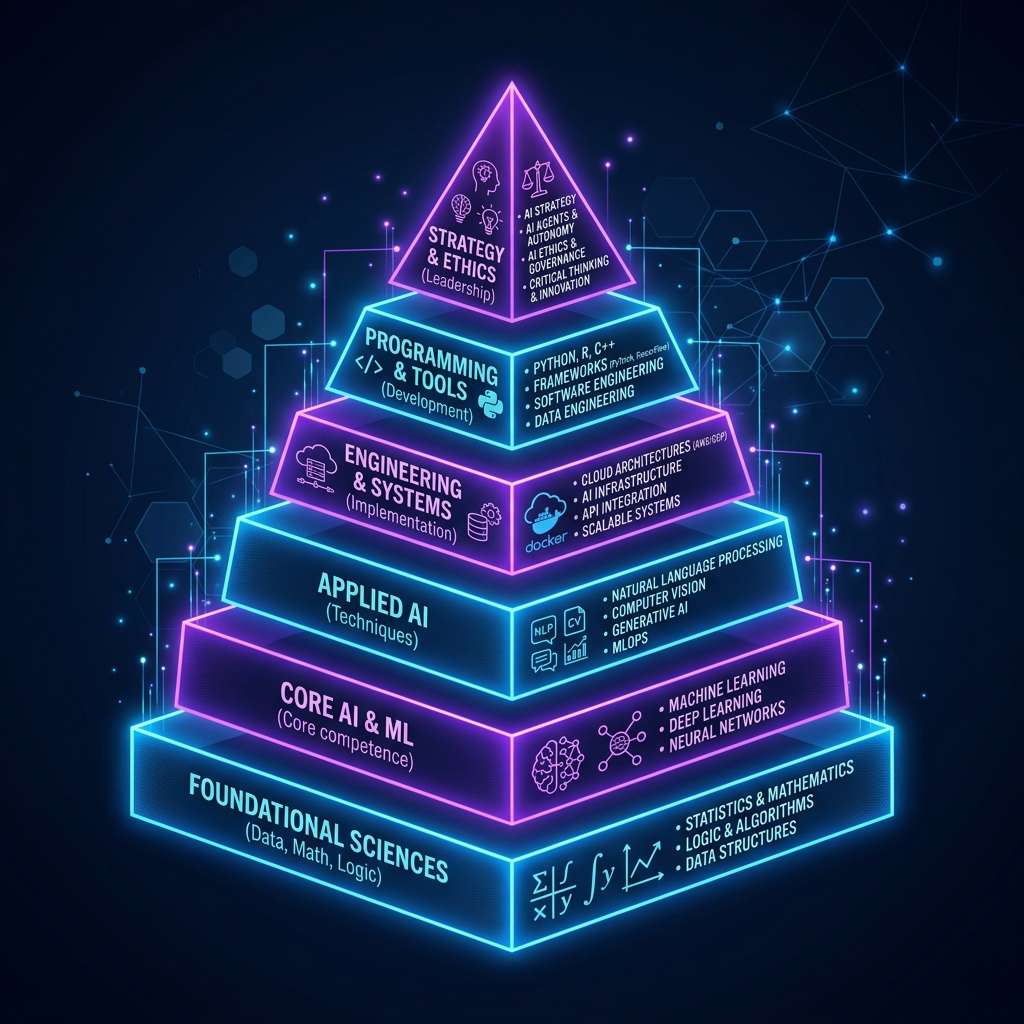
By April 2026, the talent landscape in technology and business has undergone radical transformation. It’s no longer sufficient to have "an ML Engineer" or "a Data Scientist." Modern enterprises now seek specialists with precisely defined roles that blend technical depth with business strategy.

Without hyperbole: April 2026 will be remembered as an inflection point. Not because one breakthrough model emerged, but because the entire ecosystem simultaneously shifted toward something that previously seemed impossible—autonomous, reliable agentic systems running in production.

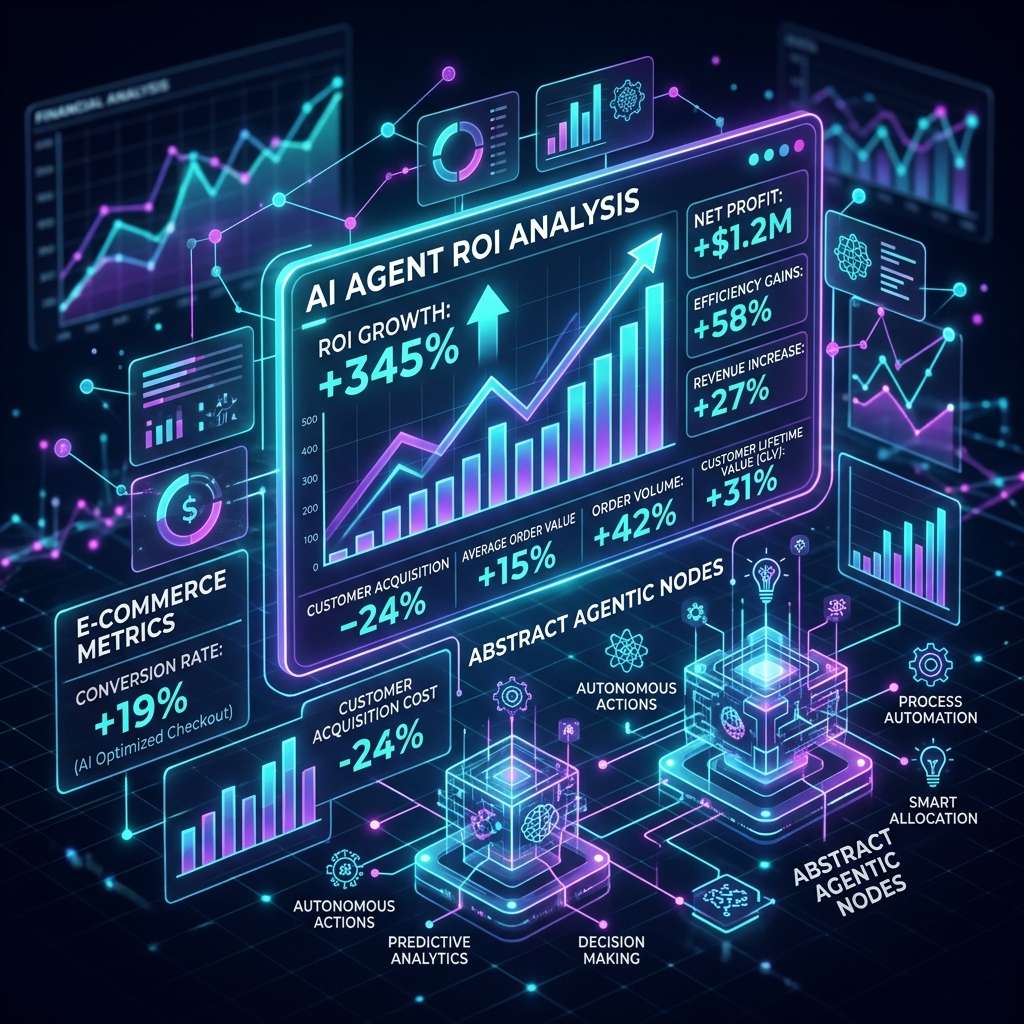
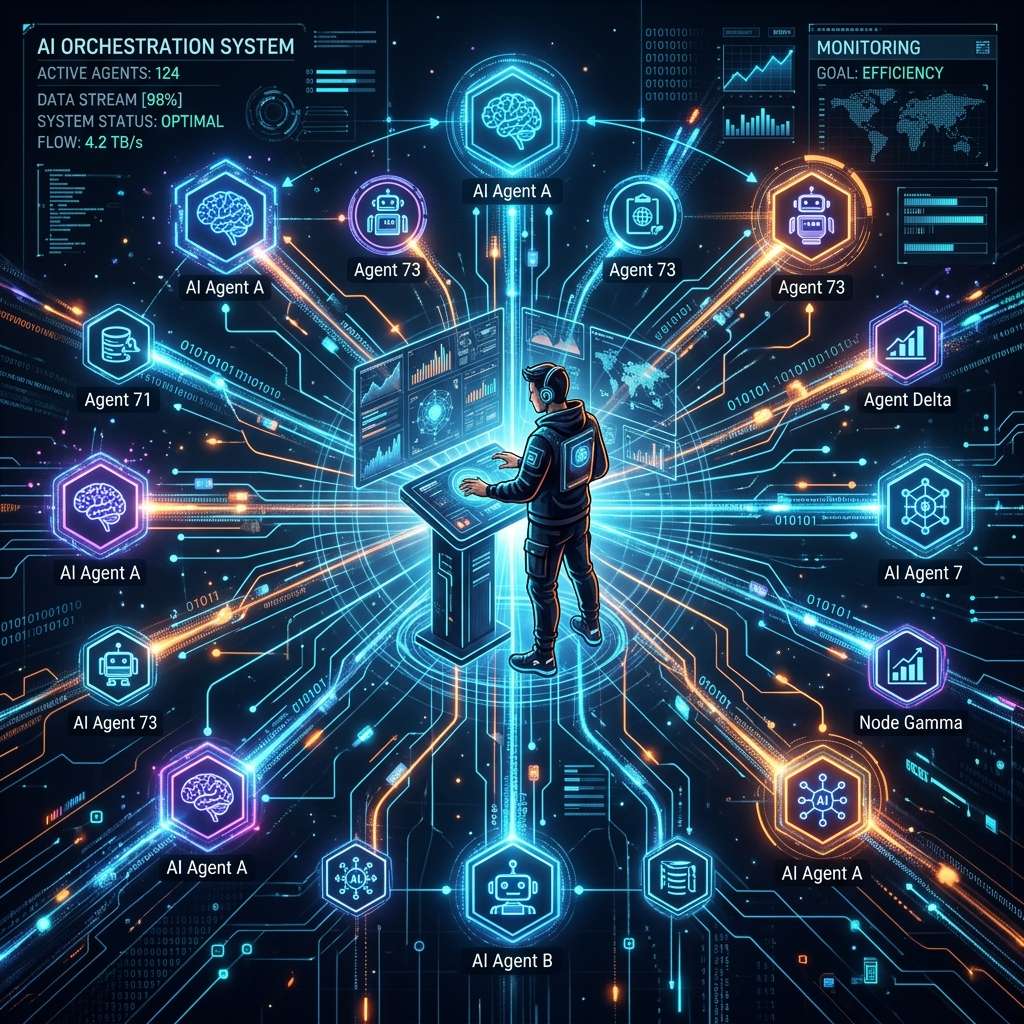
84% of executives expect to deploy AI agents within the next 18 months, but only 23% say they know how to do it effectively. That gap matters. It suggests the main challenge is no longer access to AI tools. The real challenge is operational: how do you organize people and agents so they work together in a controlled, measurable, and useful way?

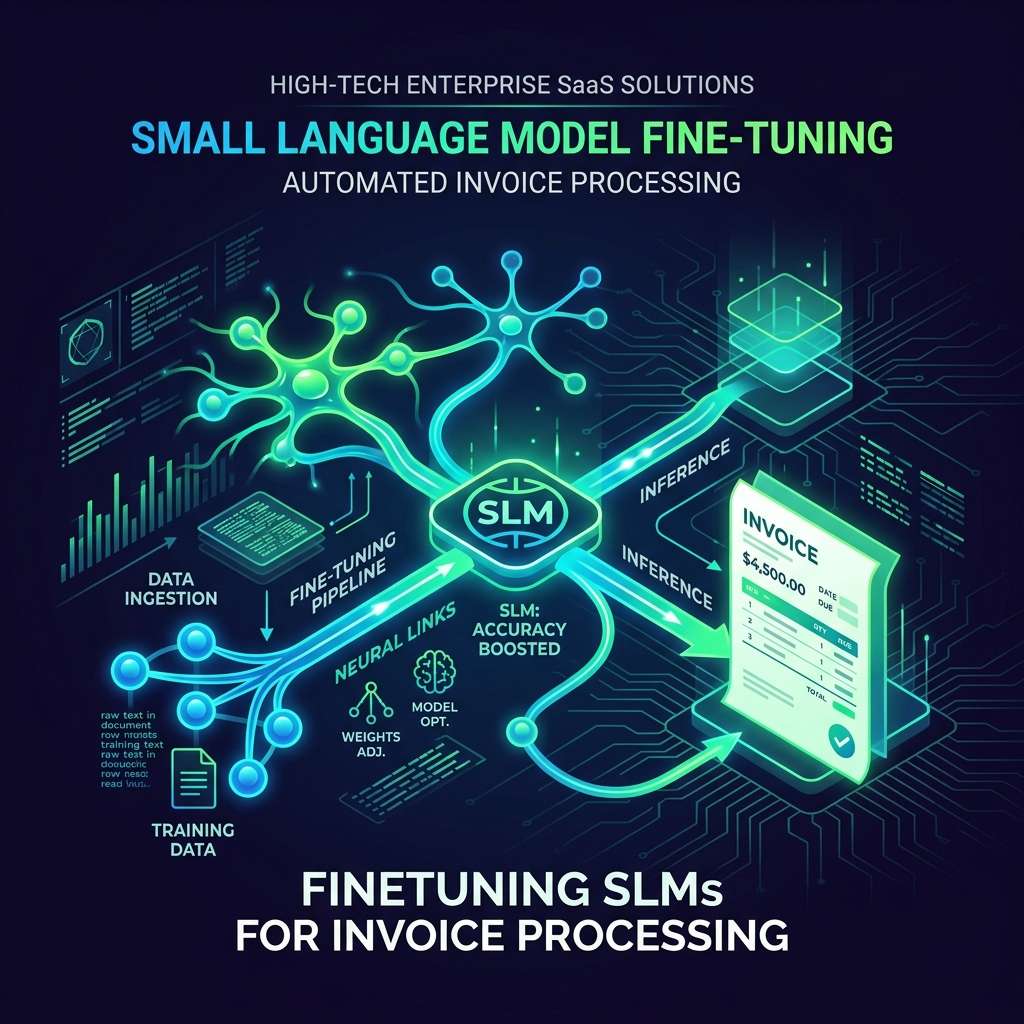
In the world of machine learning systems, a thoughtful shift is taking place. Instead of betting on gigantic, difficult-to-scale models, we increasingly opt for "agile" ones. Small Language Models (**SLMs**) promise lower costs and faster adaptation to project specifics. Sounds good, but concrete challenges stand behind success.

April 2026 brought the Zhipu GLM-5.1 model – an open-source system with 754 billion parameters that, on paper, wins against solutions such as Claude Opus 4.6 or GPT-5.4.

In the first weeks of 2026, three AI initiatives appeared on the scene that are worth knowing – but before we jump into testing, we need to look at the broader context and possible challenges.