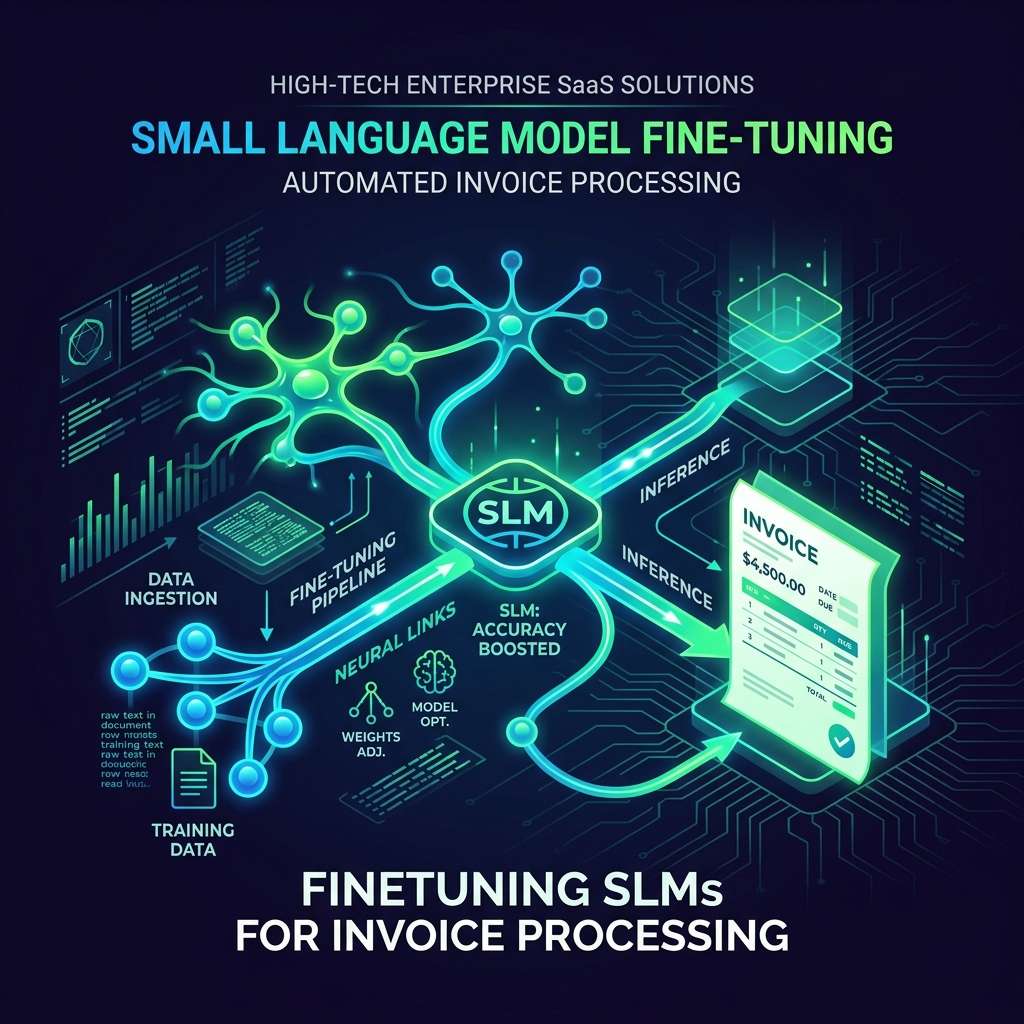
Small Language Models – Benefits and Pitfalls
In the world of machine learning systems, a thoughtful shift is taking place. Instead of betting on gigantic, difficult-to-scale models, we increasingly opt for "agile" ones. Small Language Models (SLMs) promise lower costs and faster adaptation to project specifics. Sounds good, but concrete challenges stand behind success.
Section 1: Why the Change?
Large models process oceans of data, require GPU clusters, and weeks of training. A small model – in brief: tens of billions of parameters instead of hundreds. Fewer layers. Lighter footprint. And yet – after careful tuning – comparable precision in business tasks.

Section 2: Where Are the Real Savings?
- Computing: up to 70% lower cloud bill.
- Time: fine-tuning in parts of a day, not weeks.
- Team: smaller infrastructure, fewer people for configuration.
But:
- Data must be precisely labeled.
- Excess noise in the training set will nullify benefits.
- Horizontal scaling requires process automation.

Section 3: Real-Life Examples
Company X implemented an SLM for customer service. The result? Faster responses, but the first week of testing revealed errors in question interpretation. An additional validation phase was necessary. Without a solid labeling pipeline, you can't jump from prototype to full integration.
Section 4: Pros and Cons
Advantages: lower costs, faster iterations, lower barrier to entry for smaller teams.
Disadvantages: strict requirements for data quality, risk of failure when the model goes directly to production without validation.
Section 5: What's Next?
Analysts expect that by 2028, more than half of language solutions will use SLMs where enterprise-class artificial intelligence dominates today. Success depends on managing the entire process: from data acquisition, through continuous quality control, to automatic performance monitoring.
Summary
Small language models are not a passing trend. They represent an attempt to better match tools to company resources. But without prepared infrastructure and data policies, their advantages may be nullified.
Source: ai.uek.krakow.pl
Comments
Comments are powered by Cusdis. The widget only loads after you click.